


Yes, the Kentucky electrician license is issued statewide. The Department of Housing, Buildings and Construction (HBC) licenses electrical contractors, master electricians and electricians, and you can check any license online. Electrical work needs a permit before it starts and an inspection by a certified electrical inspector, and homes are built to the 2023 National Electrical Code.
This guide explains the license classes, how to verify an electrician, who issues permits where you live and what homeowners may do themselves. To compare local companies, see our list of electrical companies in Kentucky, ranked by homeowner reviews. For the steps that apply in every state, read our guide on how to hire an electrician.
How does the Kentucky electrician license work?
HBC issues three classes of electrical license:
- Electrical contractor: the business license a company needs to contract for electrical work.
- Master electrician: the individual license for the person responsible for the work.
- Electrician: the individual license for working electricians.
The two are linked. Under KRS 227A.060 and 815 KAR 35:060, a contractor applying for a license must name its affiliated master electrician and show proof of insurance. When you hire a company, you should find both an active contractor license and a master electrician tied to it.
Some cities add their own requirements on top of the state license. In Lexington, for example, contractors get electrical permits through a master electrician and a city business license.
How do I check an electrician’s license in Kentucky?
Use the HBC Licensee Search:
- Choose the Division of Electrical.
- Search by the company or person’s name, or by license number.
- Check the license type, number, status and expiration date.
Make sure the name on the license matches the name on your estimate, and that the license will not expire during your project. Ask for a certificate of insurance as well.
Kentucky’s licensing is statewide, so a license shown in the HBC search is valid across the state. Local business licenses and registrations are separate, so ask whether your city requires one too.
When do you need an electrical permit in Kentucky?
In most cases, before any electrical work starts. Under 815 KAR 35:020, a permit must be obtained before work begins, and a state or local certified electrical inspector checks the work against the National Electrical Code.
Who issues the permit depends on where you live. Where a city or county runs its own electrical inspection program, you get the permit from that local office. Where a local government has not made a certified inspector available, the permit comes from HBC and an HBC inspector does the inspection. Local examples:
- Louisville: Louisville Metro’s Construction Review division issues electrical permits, and homeowners must apply in person.
- Lexington: every electrical job in Fayette County needs a permit, and all work must be inspected.
- Owensboro: every installation needs a permit and at least a rough-in and final inspection through the Owensboro Metropolitan Planning Commission.
Panel replacements, service changes, new circuits, generators and EV chargers all need a permit. Our national explainer on electrical permits and inspections covers what inspectors look for.
Can a homeowner do electrical work in Kentucky?
Yes, with conditions. State law lets a homeowner wire the home they live in, or a home they are building for their own use. Before starting, the homeowner must apply for a permit and sign an affidavit promising the work will meet the code. Many local offices, such as Jessamine County’s Planning Department, provide a homeowner permit and affidavit form.
Local rules can be stricter. In Lexington, homeowner permits are not issued for rental property, duplexes or mobile homes. In Louisville, homeowners must apply for their permit in person. Call your local building office before you start.
Which electrical code does Kentucky use?
Kentucky uses the National Electrical Code (NFPA 70) as referenced in the Kentucky Residential Code. HBC adopted the 2023 NEC with mandatory enforcement from January 1, 2025. Permits pulled before that date follow the 2017 NEC.
For one- and two-family homes and townhomes, three 2023 NEC sections were delayed until July 15, 2026: 210.52(C), 230.67 and 314.27(C). Those cover countertop receptacles, surge protection for dwelling services and ceiling boxes for fans, and they now apply. HBC posted an announcement about the July 15, 2026 NEC update.
What electrical jobs are common in Kentucky homes?
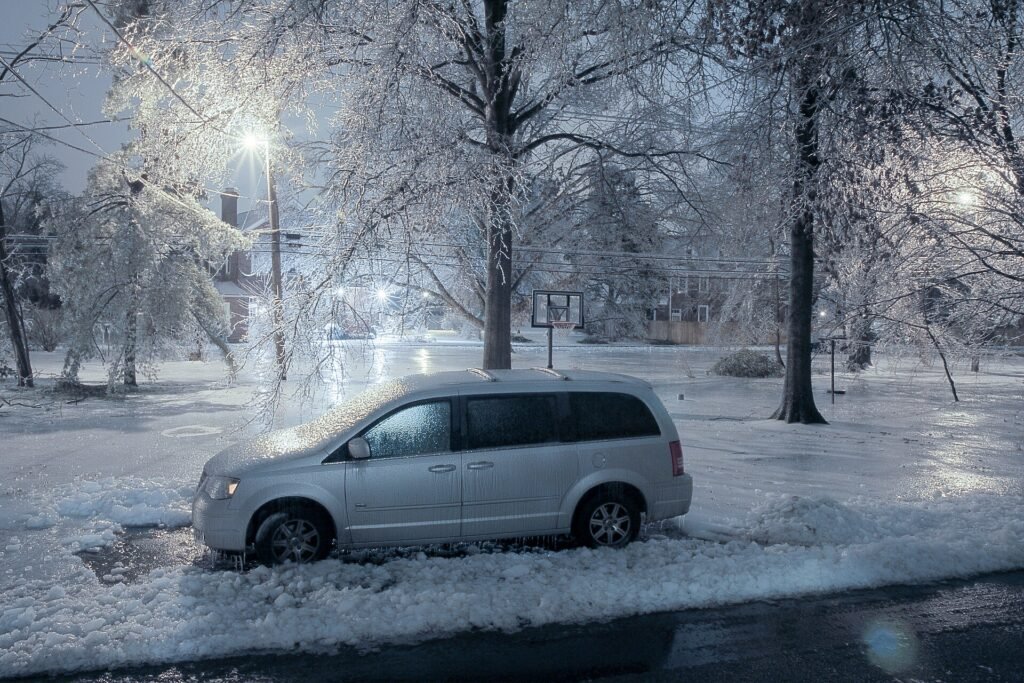
NOAA’s state climate summary notes ice and snowstorms in winter and severe thunderstorms with high winds, hail and tornadoes in warmer months, and Kentucky averages about 24 tornadoes a year. That weather shapes much of the work electricians do:
- Standby generators: ice storms can take down lines for days, so many homeowners add a standby generator with a transfer switch. Our home standby generator guide explains sizing and permits, and you can compare Kentucky electricians who install generators.
- Surge protection: storms and utility switching can send surges into a home. With NEC 230.67 now in force for Kentucky dwellings, a new or replaced service generally needs a surge protective device. Our guide to whole-home surge protection explains the rule.
- Panel and service upgrades: older neighborhoods in Louisville and Covington have aged wiring and small services. Our electrical panel upgrade guide covers what an upgrade involves.
What should you ask before hiring an electrician in Kentucky?
A few questions will tell you whether a company is set up to do the job legally in your area:
- What are your HBC electrical contractor license number and the name of your affiliated master electrician?
- Who will pull the permit, and is it issued by my city or county or by HBC?
- Which inspections will the job need, and will you be there for them?
- If you are replacing my service or panel, how will you meet the surge protection rule that took effect on July 15, 2026?
- For a generator, which transfer switch will you use, and does the price include the permit and the utility coordination?
Get the answers in writing on the estimate. If a company offers to skip the permit to save money, keep looking: unpermitted work can complicate insurance claims and a future sale of the house.
Which Kentucky cities do we cover?
Our ranking includes electrical companies serving Kentucky’s largest cities, including:
- Louisville: older neighborhoods with aged wiring, and permits through Louisville Metro Construction Review.
- Lexington: permits for every job, and stricter homeowner permit limits.
- Bowling Green: fast-growing subdivisions next to older homes near downtown.
- Owensboro: rough-in and final inspections through the Metropolitan Planning Commission.
- Covington: 19th-century homes across the Ohio River from Cincinnati.
See every city and company on our Kentucky electricians page.
Compare licensed electricians in Kentucky
Kentucky makes checking easy: every contractor and master electrician should appear in the HBC Licensee Search. Compare local companies on our Kentucky list, where we note the HBC license wherever we could confirm it, or get 3 free quotes and look up each license before you sign.



Comments
Write a commentNo comments yet. Ask a question or share how your project went.