


A Wisconsin electrician license comes from the state. The Department of Safety and Professional Services (DSPS) issues an Electrical Contractor license to businesses and Master, Journeyman and Registered Electrician credentials to individuals. With a few exemptions, no one may install, repair or maintain electrical wiring in Wisconsin unless DSPS has licensed or registered them.
This guide explains how to check those credentials, when a permit is needed, what homeowners may do themselves and what changed with the new electrical code in September 2026. To compare local companies, start with our ranked list of Wisconsin electricians.
How does a Wisconsin electrician license work?
Here are the main Wisconsin rules in one place before the details.
| Topic | Wisconsin rule |
|---|---|
| Licensing body | Department of Safety and Professional Services (DSPS) |
| Business credential | Electrical Contractor license |
| License check | DSPS LicensE lookup at license.wi.gov |
| Permit issuer | Your municipality or a state-certified inspection agency |
| Homeowner work | License exemption for an owner-occupied home, unless a local ordinance requires a license |
| Electrical code | SPS 316, based on the 2023 NEC, since September 1, 2026 |
Wisconsin licenses both the business and the people doing the work, so a single job usually involves more than one credential.
- Electrical Contractor: required for a business that offers electrical work to the public.
- Master Electrician: the person responsible for the installation, who must use appropriately licensed or registered people to do the wiring.
- Journeyman and Registered Electrician: credentials held by the individuals who do the wiring on site.
For the other checks that matter when you hire, such as insurance and written quotes, read our guide on how to hire an electrician.
How do I check an electrician’s license in Wisconsin?
Use the DSPS LicensE license lookup at license.wi.gov. It covers every trade credential DSPS issues.
- Search the business name and confirm an active Electrical Contractor credential.
- Ask which master electrician is responsible for your job and search that person’s name.
- Check that the names match your quote and contract, and that neither credential has expired.
If the company cannot tell you who its master electrician is, that is a reason to keep looking.
When do you need an electrical permit in Wisconsin?
New homes, additions and alterations of one- and two-family homes fall under the state Uniform Dwelling Code. Under Wisconsin rule SPS 305.43, a master electrician may not start electrical work that needs a uniform building permit until the permit is issued, as the DSPS master electrician page explains.
The permit comes from your municipality, or from a state-certified inspection agency where the town does not run its own program. Ask your local building office what applies to your job; panel changes, services, new circuits and generators generally need a permit and inspection. Our guide to electrical permits and inspections explains the inspection steps.
The new code also adds something unusual: permits and inspections for electrical services on vacant land. If you plan a service for a lot you have not built on yet, expect a permit.
More change may follow for new homes. DSPS says the Uniform Dwelling Code Council has recommended moving to the International Residential Code, starting with the 2024 edition. That recommendation had not been adopted when this guide was reviewed.
Can Wisconsin homeowners do their own electrical work?
State law exempts a residential property owner who installs, repairs or maintains wiring on premises the owner owns and lives in from the license requirement, unless a local ordinance requires a license. That exemption covers licensing only.
- Permits and inspections still apply, and the work must meet the state code.
- Some cities add their own limits, so call your local building department first.
- The exemption covers a home you both own and live in, not other property you own.
The owner exemption does not remove the permit. Unpermitted work can cause problems at inspection, with insurance or when you sell.
Which electrical code does Wisconsin use?
Wisconsin’s electrical code, SPS 316, adopts the 2023 National Electrical Code with state changes. DSPS announced that it took effect on September 1, 2026. It replaced a code based on the 2017 NEC, so the state skipped the 2020 edition entirely.
DSPS lists three headline changes: a requirement for whole-home surge protection, limits on the number of feeders that can supply a building, and permits and inspections for services on vacant land. DSPS said it expected to finish updating its licensing exams for the new code by October 1, 2026.
What climate and housing issues drive electrical work in Wisconsin?
NOAA’s Wisconsin climate summary notes that the state’s location exposes it to bitterly cold Arctic air in winter, with frigid winters in the north, and that both annual rainfall and extreme rain events have increased. Long cold spells put steady load on heating equipment, and outages in winter storms make backup power worth planning. In cities such as Green Bay, Appleton and Eau Claire, reliable heating circuits and sound panels are common reasons to call an electrician.
The new surge protection rule is a good reason to ask about whole-home surge protection during any service or panel project. You can compare Wisconsin electricians who install surge protection.
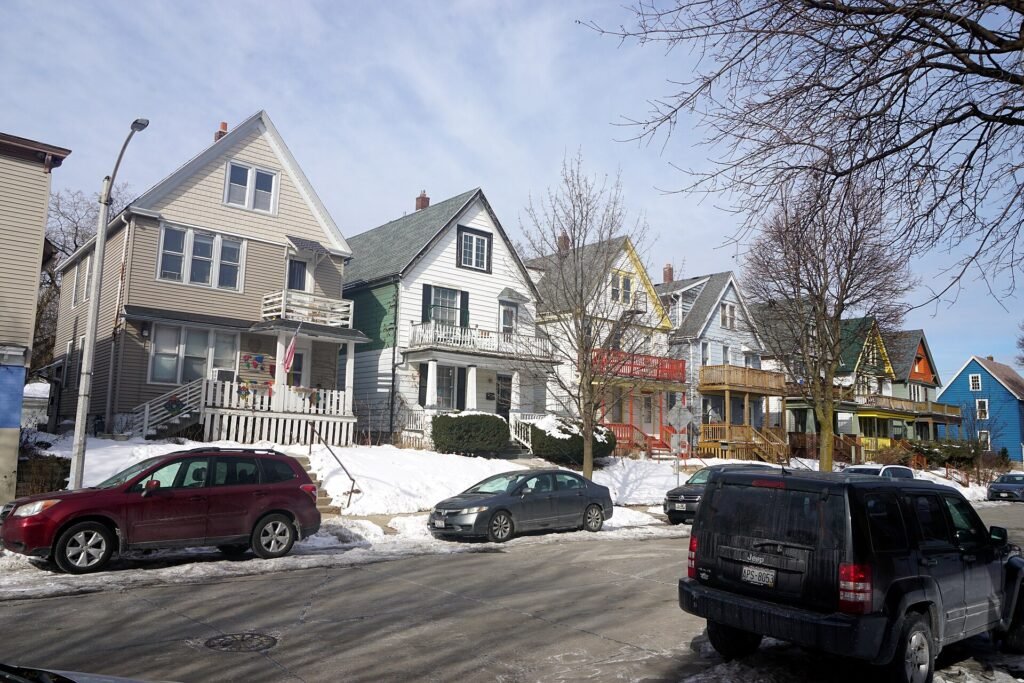
Milwaukee, Racine and Oshkosh have many older homes, where panel and wiring updates are common. Before you replace a panel, read our electrical panel upgrade guide, and ask how the 2023 NEC rules affect your service.
What should you ask a Wisconsin electrician before hiring?
Because the code changed so recently, a few questions are specific to Wisconsin right now:
- Which master electrician is responsible for my job, and what are the credential numbers for the company and that person?
- Who issues the permit at my address: the city, the town or a state-certified inspection agency?
- Was this quote written under the new SPS 316 code, and does it include the required surge protection?
- If the job involves a new service or a second building, how do the new feeder limits affect the design?
- Will you schedule the inspections and give me a copy of the final approval?
A clear answer to each of these tells you the company is current on the rules, not just licensed.
Which Wisconsin cities do we cover?
Our list includes companies serving Milwaukee, Madison, Green Bay, Kenosha and Appleton, plus Racine, Eau Claire, Waukesha and other cities. In Milwaukee, permits go through the Department of Neighborhood Services; in Madison, through the Building Inspection Division. Find companies for your area on our Wisconsin list.
Compare licensed electricians in Wisconsin
Check the Electrical Contractor and master electrician credentials in the DSPS lookup, confirm who pulls the permit, and ask how the new code affects your job. Then compare local companies on our Wisconsin electrician rankings, or get 3 free quotes.

Comments
Write a commentNo comments yet. Ask a question or share how your project went.