


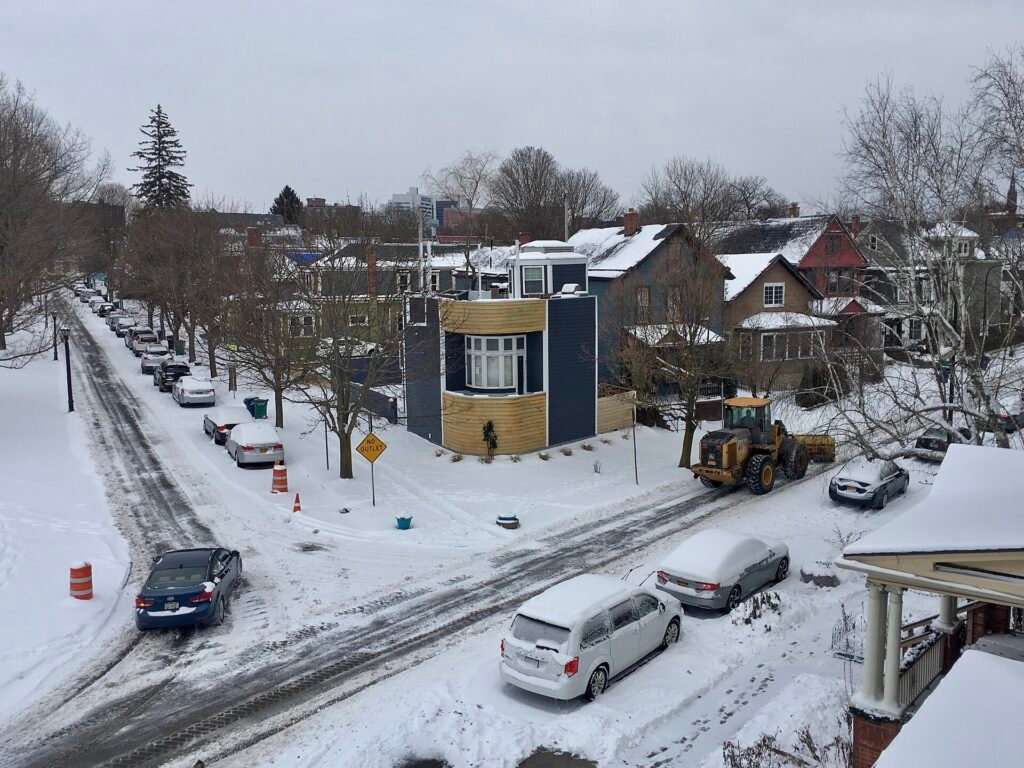
There is no statewide New York electrician license. Licensing is local: New York City requires a Master Electrician licensed by the Department of Buildings, while Buffalo, Westchester County, Suffolk County and Nassau’s towns run their own programs. Even where no license is required, electrical work must be inspected, and most of the state follows the 2023 National Electrical Code.
This guide walks through who licenses electricians where you live, how to check a license, and what the permit and code rules mean for your project. To compare local companies now, see our list of electrical companies in New York, ranked by homeowner reviews. For the steps that apply anywhere, read our guide on how to hire an electrician.
Is there a New York electrician license?
No. New York leaves electrical licensing to cities, counties and towns, so the rules change as you cross municipal lines. The main programs are:
- New York City: the Department of Buildings (DOB) licenses Master and Special Electricians. A Master Electrician license is needed to file for an electrical permit and to do electrical work for the public.
- Buffalo: the city licenses master and journeyman electricians.
- Westchester County: the Department of Consumer Protection licenses electricians countywide.
- Suffolk County: the Department of Consumer Affairs issues Master Electrician licenses.
- Nassau County: there is no countywide license. The Towns of Hempstead, North Hempstead and Oyster Bay each run their own electrical licensing board, and a license from one town does not automatically carry over to another.
Many smaller upstate towns do not license electricians at all. That does not remove the inspection requirement, which is covered below.
How do I check an electrician’s license in New York?
Start with the agency that licenses electricians where the job is:
- New York City: search the DOB license search by name or license number. Confirm the license type is Master Electrician (or Special Electrician for the specific building it covers) and that it is active.
- Westchester County: use the county’s consumer license lookup to confirm the electrician’s county license.
- Buffalo: the city publishes its list of licensed master electricians on its open data portal.
- Suffolk and Nassau towns: call the county Consumer Affairs office or your town’s licensing board.
In areas with no local license, ask for proof of insurance, references from nearby jobs, and the name of the electrical inspection agency the company usually works with.
When do you need an electrical permit in New York?
In New York City, an electrical permit is required for most electrical work in a home or business, including handling electrical wires. Only a licensed Master or Special Electrician can obtain it, and the DOB inspects the work. The city warns that owners and workers who proceed without a permit can face violations and civil or criminal penalties.
Outside the city, your local building department decides which work needs a building permit. Separately, electrical work must be inspected by an electrical inspector your municipality recognizes, even in towns with no licensing rule. Many towns rely on approved third-party electrical inspection agencies, so ask your building department which ones it accepts.
Panel replacements, service upgrades, new circuits, generators and EV chargers almost always need a permit, an inspection or both. Our national guide to electrical permits and inspections explains what inspectors check at each stage.
Your contract should name who is responsible for the permit and the electrical inspection. When the job is done, ask for the inspection certificate and keep it with your home records.
Can a homeowner do their own electrical work in New York?
In New York City, no. To get the electrical permit needed to begin work, a homeowner must hire a NYC-licensed Master or Special Electrician.
Outside the city, the answer depends on your municipality. Some towns let owners work on their own homes, while licensing counties and towns may limit electrical work to license holders. Ask your building department before you start, and remember that the work must still be inspected by a recognized electrical inspector.
Which electrical code applies in New York?
There are two systems:
| Area | Code | Electrical standard |
|---|---|---|
| Outside New York City | 2025 NYS Uniform Code, effective December 31, 2025 | 2023 National Electrical Code for work under building permits issued on or after that date |
| New York City | 2025 NYC Electrical Code, in full effect December 21, 2025 | 2020 National Electrical Code with extensive NYC amendments |
Outside the city, projects with a valid building permit issued before December 31, 2025 may continue under the 2017 NEC. New York State’s Department of Education summarized the 2025 Uniform Code effective date, and the NYC DOB posts its current Electrical Code.
What electrical jobs are common in New York homes?
New York’s housing and weather drive a few recurring projects:
- Prewar buildings: much of the housing in the five boroughs, Albany, Schenectady and the older Westchester cities is prewar row houses, brownstones and multi-family buildings with old wiring and small services. Adding central air, induction cooking or an EV charger often means a service upgrade first. Our electrical panel upgrade guide covers what that involves.
- Lake-effect snow: Buffalo, Rochester, Syracuse and Utica get heavy snow off Lakes Erie and Ontario, and long outages make standby power a common request. Our home standby generator guide explains sizing and permits, and you can compare New York electricians who install generators.
- Coastal storms: communities on Long Island Sound, such as New Rochelle, face coastal storms where surge protection and backup power are worth discussing.
Before digging for a generator line or outdoor circuit, call 811 at least two and no more than ten working days ahead. New York 811 covers New York City and Long Island, and Dig Safely New York covers the rest of the state.
Which New York cities do we cover?
Our ranking includes electrical companies serving New York’s largest cities, for example:
- New York City: all five boroughs, where every job needs a DOB-licensed Master Electrician.
- Buffalo: early 1900s wood-frame doubles and city-licensed master electricians.
- Yonkers: Westchester’s largest city, where the county electrician license applies.
- Rochester: early 20th-century houses and lake-effect snow off Lake Ontario.
- Syracuse: older frame homes, heavy snow and frequent generator questions.
See every city and company on our New York electricians page.
What should you know about New York home improvement contracts?
Under Article 36-A of the General Business Law, a home improvement contract must be in writing, and you may cancel until midnight of the third business day after signing. Money you pay before the work is substantially complete must be kept in escrow, unless the contractor provides a bond or similar guarantee instead. Ask where your deposit will be held before you pay it.
Compare licensed electricians in New York
Once you know which license applies where you live, compare local companies on our New York list, where each profile shows the service area, years in business and any license we could confirm. To have electricians come to you instead, get 3 free quotes and verify each license before you sign.

Comments
Write a commentNo comments yet. Ask a question or share how your project went.