


There is no statewide Pennsylvania electrician license. Each municipality decides whether to license electricians, so Philadelphia and Pittsburgh require their own licenses while many towns require none. Statewide, most home contractors must register with the Attorney General, and electrical work still needs a permit and inspection under the Uniform Construction Code.
This guide explains how that patchwork works, how to check an electrician before you sign, and what the permit rules mean for your project. To compare local companies, start with our list of electrical companies in Pennsylvania, ranked by homeowner reviews. For the general hiring checklist that applies in every state, see our guide on how to hire an electrician.
Is there a Pennsylvania electrician license?
Not at the state level. Pennsylvania is one of the few states that leaves electrical licensing entirely to local governments. That means the rules on your street depend on the city, borough or township you live in.
The two largest cities run their own programs:
- Philadelphia: the Department of Licenses and Inspections (L&I) issues an Electrical Contractor License. The city requires a license for all electrical work, including low-voltage wiring, and sets insurance minimums of $500,000 general liability per occurrence.
- Pittsburgh: the Department of Permits, Licenses and Inspections (PLI) issues an electrical trade license and handles electrical permits in the city.
Many smaller municipalities do not license electricians at all. In those places, anyone may legally offer electrical work, so checking experience, insurance and references matters even more.
What is a PA HIC number?
Under the Home Improvement Consumer Protection Act, contractors who do $5,000 or more of home improvement work a year must register with the Pennsylvania Office of Attorney General. They must print the registration number on contracts, estimates and ads, and carry at least $50,000 of personal injury and $50,000 of property damage liability insurance.
An HIC number is a registration, not a skills test. It tells you the contractor is on file with the state and insured; it does not prove the person knows the electrical code.
How do I check an electrician’s license in Pennsylvania?
Because there is no single state license, you may need to check two places:
- HIC registration: search the contractor’s name or number on the Attorney General’s home improvement contractor search. The number should match the one on your estimate.
- Local license: in Philadelphia, use the L&I contractor lookup and confirm the company holds an active electrical contractor license. In Pittsburgh or any other town that licenses electricians, call the local code office and ask how to verify.
Also ask for a current certificate of insurance. If your town does not license electricians, ask how long the company has worked in your area and who on the crew handles code questions and inspections.
When do you need an electrical permit in Pennsylvania?
Most electrical work on a home needs a permit. The Pennsylvania Uniform Construction Code (UCC) says an owner or authorized agent who plans to install, alter, repair, convert or replace an electrical system regulated by the code must first apply to the building code official for a permit. An emergency repair may be done first, as long as the permit application follows within three business days.
Who issues the permit depends on your municipality. Most towns administer the UCC themselves, either with their own code office or by hiring a certified third-party inspection agency. In municipalities that opted out of local UCC administration, the owner or contractor hires a certified third-party agency to enforce the residential rules. Philadelphia adds its own twist: the owner or the owner’s agent must hire a licensed electrical inspection agency to do all electrical inspections.
Typical jobs that need a permit include panel replacements, service upgrades, new circuits, EV chargers, generators and whole-house rewiring. Our national explainer on electrical permits and inspections covers what inspectors look for at rough-in and final.
Ask your contractor, in writing, who will pull the permit and which inspection agency will inspect the work. A reputable electrician will name both before the job starts.
Can a homeowner do electrical work in Pennsylvania?
It depends on the city, and the two largest cities take opposite approaches:
- Philadelphia: any property owner or authorized agent may apply for the electrical permit, but the city states that a licensed electrical contractor must perform all electrical work. There is no homeowner exception on the city’s electrical permit page.
- Pittsburgh: permit applications must come from a city-licensed contractor unless the owner occupies a one- or two-family dwelling, does the work personally and uses no employees.
- Other municipalities: many allow owners to do their own work under a permit. Call your local code office before you start.
Even where you may do it yourself, the work still needs a permit and must pass inspection. Unpermitted wiring can cause trouble with insurance claims and home sales.
Which electrical code does Pennsylvania use?
The UCC moved to the 2021 International Codes on January 1, 2026. For electrical work, that update points to the 2020 National Electrical Code (NEC). Permits applied for on or after that date generally follow the new codes, while some projects with design contracts signed earlier may still be permitted under the 2018 UCC. Philadelphia published its own bulletin on implementing the 2021 International Codes.
If you are unsure which edition applies to your job, your local code official or third-party agency can tell you based on the permit application date.
What electrical jobs are common in Pennsylvania homes?
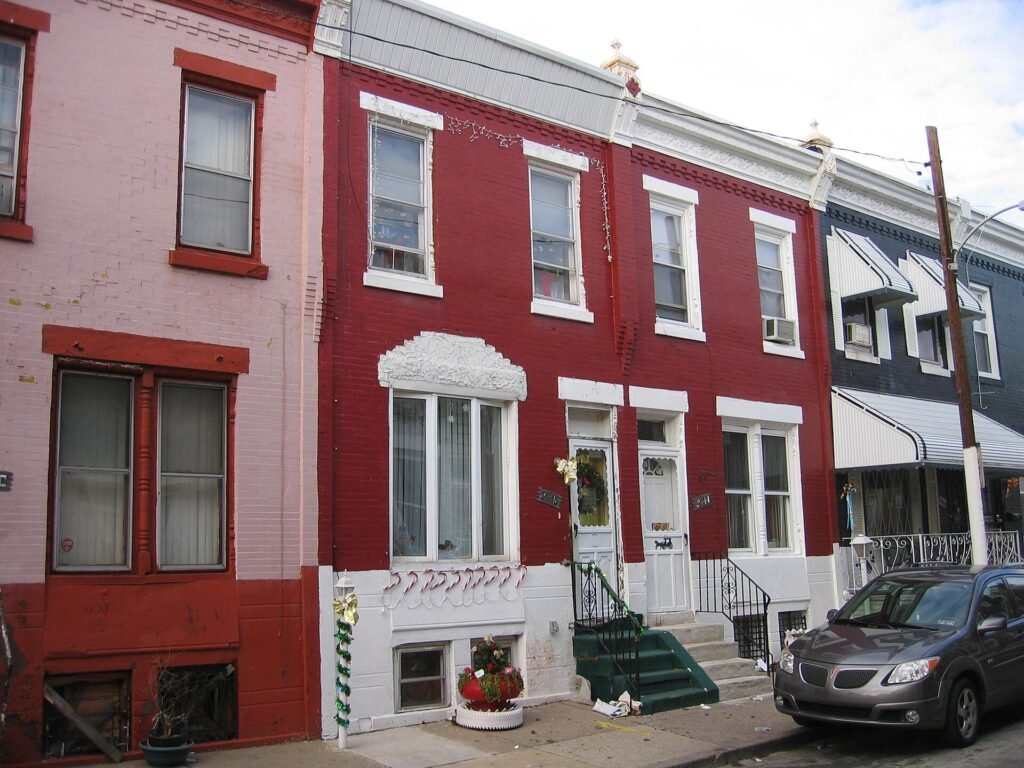
Pennsylvania’s housing is old compared with much of the country. Most of Philadelphia’s homes were built before 1950, and cities like Reading, Scranton and Lancaster are full of rowhouses and twins from the industrial era. That shapes the work local electricians see most:
- Old wiring: knob-and-tube and ungrounded circuits turn up in older rowhomes. If an inspection finds it, you can compare Pennsylvania electricians who replace knob-and-tube wiring, and our whole-home rewiring guide explains the process.
- Small services: many older homes have 60- or 100-amp services that cannot handle central air, heat pumps or an EV charger. Our electrical panel upgrade guide explains the process, and you can compare panel upgrade electricians in Pennsylvania.
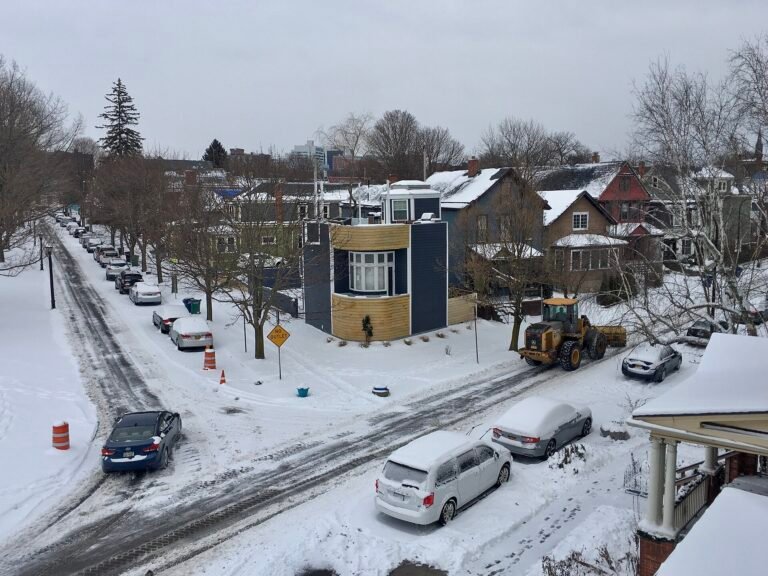
- Winter and storms: Erie gets heavy lake-effect snow, and river towns like Harrisburg face storm and flood risk, so backup power and surge protection come up often.
Before any outdoor trench for a generator line or detached garage circuit, Pennsylvania’s One Call law requires anyone who digs, homeowners included, to contact PA One Call (811) at least three business days ahead.
Which Pennsylvania cities do we cover?
Our ranking includes electrical companies serving Pennsylvania’s largest cities. A few examples:
- Philadelphia: brick rowhouses, a city electrical contractor license and third-party electrical inspections.
- Pittsburgh: hillside neighborhoods of older frame and brick homes, with licensing and permits through PLI.
- Allentown: early 1900s rowhomes and twins near downtown that often need service upgrades before new loads are added.
- Erie: lake-effect snow makes generators and solid service connections a practical concern.
- Lancaster: 19th-century city rowhomes alongside newer county subdivisions.
You can see every city and company on our Pennsylvania electricians page.
What should you ask before hiring an electrician in Pennsylvania?
- What is your HIC registration number, and do you hold the local license my town requires?
- Who pulls the permit, and which code office or inspection agency will inspect?
- Can you give me a written contract that shows the registration number and my three-day right to cancel?
- Is the deposit within the one-third limit that applies to most home improvement contracts?
Compare licensed electricians in Pennsylvania
Once you know the rules for your town, compare local companies on our Pennsylvania list, where each profile shows the service area, years in business and any license or HIC number we could confirm. If you would rather have electricians come to you, get 3 free quotes and check each one’s registration before you sign.

Comments
Write a commentNo comments yet. Ask a question or share how your project went.