


You need an electrical permit for most work that adds or changes wiring, such as new circuits, panel or service upgrades, EV chargers, generators and rewiring. Minor repairs often do not. The licensed electrician usually pulls the permit, and a local or state inspector checks the work, typically at rough-in and again at final.
Permit rules are set by states, counties and cities, so the details depend on your address. This guide explains how the process usually works, where homeowner permits fit in, and what inspectors look at. It is part of our larger guide on how to hire an electrician.
When do you need an electrical permit?
As a rule, work that adds, extends or changes a home’s wiring needs a permit. Michigan’s rules are typical: new wiring, new circuits, service changes and additions to an existing system generally need an electrical permit, and the work may not be covered or put into use until an inspector approves it.
Jobs that usually need a permit include:
- A new circuit, such as one for a range, dryer, heat pump or hot tub.
- A panel replacement or a service upgrade, including a new meter base.
- An EV charger circuit or a hardwired Level 2 charger (see our home EV charger installation guide).
- A standby generator and its transfer switch.
- Rewiring rooms or a whole house, and finishing a basement or addition.
- Solar panels and battery systems.
Small repairs are often exempt. Ohio notes, for example, that minor repairs such as replacing a bulb usually do not need a permit. The line between a repair and a change varies, though. Some cities, like Naperville, Illinois, state that all electrical work requires a permit. When in doubt, call your building department before work starts.
Who pulls the electrical permit?
When you hire a contractor, the contractor should pull the permit. The permit ties the job to a licensed business, and it makes the contractor responsible for passing inspection. Many cities make this a rule. In Columbus, Ohio, only an OCILB-licensed contractor registered with the city, or the homeowner who lives in the house, may pull an electrical permit. In Indianapolis, electrical permits must be pulled by a licensed electrical contractor unless the homeowner passes a city exam.
Be wary of a contractor who asks you to get the permit in your own name. The Federal Trade Commission lists that request among common home improvement scam warning signs. If the permit is in your name, you may be the one responsible if the work fails inspection.
Many cities also require contractors to register before they can pull a permit, even where the state issues the license. Fishers, Indiana, and Naperville, Illinois, both require contractor registration with the city.
Can homeowners get their own electrical permit?
Often, yes, but only for their own home. Most homeowner permits cover a single-family house that you own and live in, and you must do the work yourself. Rentals, duplexes and other buildings usually need a licensed contractor.
| State or city | Homeowner permit rule |
|---|---|
| Michigan | Available to an owner who lives in, or will live in, a single-family home and does the work personally; rentals do not qualify. |
| Minnesota | Owner of a single-family home they live in may get a permit from DLI or the local authority; not for two-family dwellings or rental property. |
| Kentucky | Homeowner may wire the home they live in after getting a permit and signing an affidavit; Lexington excludes rentals, duplexes and mobile homes. |
| Wisconsin | Owner-occupants are exempt from licensing unless a local ordinance says otherwise; permits and inspections still apply. |
| Indianapolis, IN | Homeowner may apply only after passing a city exam. |
| Kansas City, MO | Owner of a single-family home may get a permit for work they do on the house they live in. |
| Springfield, MO | Homeowner permits only for minor electrical work entirely inside the house. |
A homeowner permit does not lower the bar. The work must still meet the adopted electrical code and pass the same inspections as a contractor’s work. Service changes and panel work involve the utility connection and carry real shock and fire risk, so most homeowners leave those to a licensed electrician.
What happens during an electrical inspection?
An inspector checks that the installation matches the permit and meets the electrical code. Most residential jobs get two visits.
Rough-in inspection
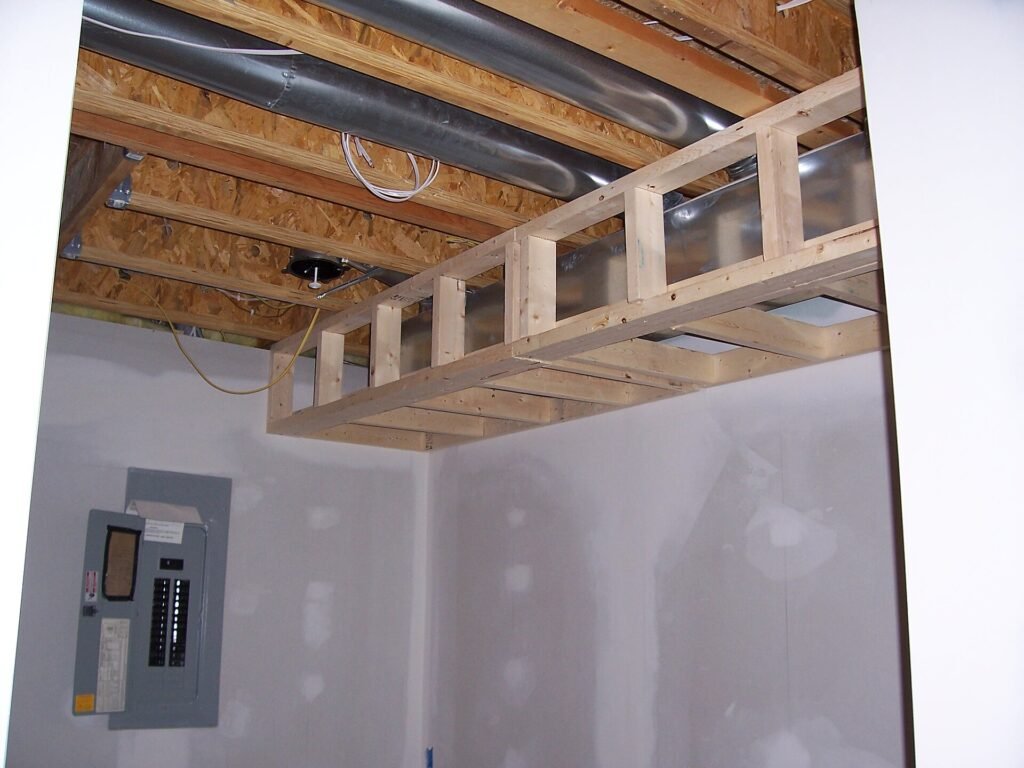
The rough-in happens after boxes, cables and conduit are installed but before insulation and drywall cover them. The inspector looks at wire sizes, box fill, cable support, grounding and whether circuits are laid out as permitted. This is the only chance to see wiring inside walls, which is why work may not be covered until it passes.
Final inspection
The final happens when devices, fixtures and the panel cover are installed. The inspector checks breaker sizes, labeling, GFCI and AFCI protection where required, working clearance around the panel and that everything operates. In Dearborn, Michigan, each permit includes one rough and one final inspection; in Owensboro, Kentucky, every installation gets at least a rough-in and a final.
Service and utility release
For a new or upgraded service, the utility normally will not reconnect power until the local inspector approves the work. Dayton, Ohio, requires a permit and inspection before new service is connected, and Toledo requires a service release permit before existing service is reconnected. Ask your electrician to schedule the inspection and utility work together to keep the outage short.
Who inspects your job depends on where you live. It may be your city, your county, a state agency, or a certified third-party inspection agency. Cincinnati, for example, contracts electrical inspections to The Inspection Bureau, Inc., and many New York and Pennsylvania towns use approved third-party agencies.
Which National Electrical Code edition applies?
The National Electrical Code (NFPA 70) is published by the National Fire Protection Association and updated every three years. The 2026 edition has been out since late 2025, but it does not apply to your home until your state or city adopts it, often with local changes. Many areas still enforce an older edition.
| State | Code in effect for homes |
|---|---|
| Minnesota | 2026 NEC for permits filed on or after August 17, 2026 |
| Michigan | 2023 Michigan Electrical Code (2023 NEC) since March 12, 2024 |
| Ohio | Residential Code of Ohio, electrical rules based on the 2023 NEC since April 15, 2024 |
| Kentucky | 2023 NEC effective January 1, 2025, with some residential sections delayed to July 15, 2026 |
| Wisconsin | SPS 316 based on the 2023 NEC since September 1, 2026 |
| New York (outside NYC) | 2025 Uniform Code with the 2023 NEC since December 31, 2025; NYC has its own Electrical Code |
| Indiana | Indiana Electrical Code, moving from an edition based on the 2008 NEC to one based on the 2023 NEC |
| Pennsylvania | Uniform Construction Code, moved to the 2021 International Codes on January 1, 2026 |
| Illinois and Missouri | No single statewide residential electrical code; each city or county adopts its own edition |
The edition matters because rules change. Newer editions have expanded GFCI and AFCI protection and added a whole-home surge protection requirement for dwelling services, which affects the scope and price of a panel or service upgrade. Our state guides list the details, including the Minnesota permit and code guide and the Ohio electrical permit guide.
Why do permits matter for insurance and resale?
A permit and a passed inspection are your record that the work was checked by someone independent of the contractor. That matters later. Buyers, home inspectors and appraisers may ask about recent electrical work, and a permit history on file with the city answers the question quickly.
Unpermitted work can raise questions during a sale or after a fire or other loss, and fixing it later can mean opening walls so an inspector can see the wiring. Ask your insurance agent how your policy treats work done without required permits. Keep the permit number, the inspection results and the contractor’s invoice with your home records.
Permits also protect you during the job. An inspector who finds a problem gives the contractor a list of corrections, and you should hold the final payment until the job passes.
What if electrical work was done without a permit?
If you find unpermitted work, such as a basement circuit added by a previous owner, contact your building department and ask how it handles work done without a permit. Many will let a licensed electrician apply for a permit, correct any problems and schedule an inspection. The inspector may need to see wiring that is now covered.
If the unpermitted work shows warning signs like warm outlets or tripping breakers, have a licensed electrician look at it first. An electrical safety inspection can tell you what needs to be fixed before you deal with the paperwork.
Find an electrician who handles permits
A good electrician pulls the permit, schedules the inspections and stays until the job passes. Ask about this when you compare quotes, and make sure the contract says who obtains the permit. You can compare licensed electricians in our state rankings, or get 3 free quotes from local electricians who handle permits and inspections.


Electrical Panel Upgrade: Signs, Sizing and Permits·
[…] permit and inspection almost everywhere, and the licensed electrician should pull it. Our guide to electrical permits and inspections explains the […]
Kentucky Electrician License and Permit Rules (2026)·
[…] changes, new circuits, generators and EV chargers all need a permit. Our national explainer on electrical permits and inspections covers what inspectors look […]
Home EV Charger Installation: Circuits, Panels, Permits·
[…] the circuit, breaker size, wiring method and mounting before you start charging. Our guide to electrical permits and inspections explains the […]
Pennsylvania Electrician License and Permit Rules (2026)·
[…] upgrades, new circuits, EV chargers, generators and whole-house rewiring. Our national explainer on electrical permits and inspections covers what inspectors look for at rough-in and […]
Illinois Electrician License Rules, Permits and Codes·
[…] the licensed or registered contractor pulls the permit and schedules inspections. Our guide to electrical permits and inspections explains the rough-in and final inspection […]